Assume All Method Explained: An Effective Primary Math Heuristic for Car and Motorcycle Word Problems
This is a typical Primary Math question that tests a student’s understanding of the Assume All heuristic.
There are a total of 12 cars and motorcycles in a car park. They have 38 wheels altogether. How many cars are there in the car park?
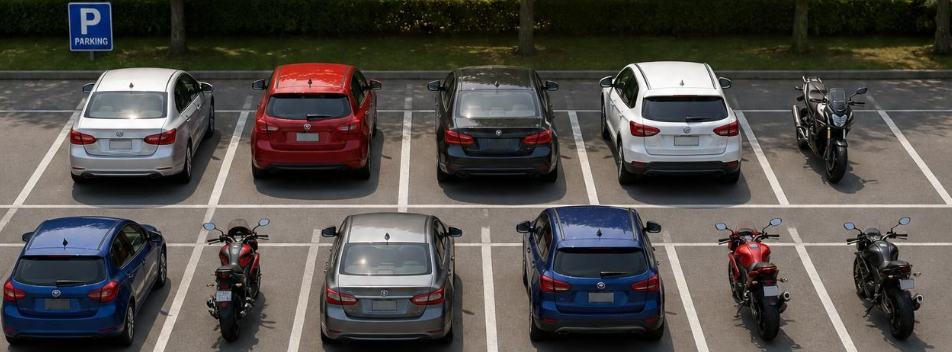
Many Primary Math students encounter challenges when solving word problems involving different objects, quantities and conditions. Questions involving cars and motorcycles are common examples where students need to apply heuristics to find the correct answer. While methods such as guess and check can help, the Assume All method provides a more direct and efficient approach when solving these types of questions.
Using the “Assume All” approach to solve
The question requires students to connect the number of vehicles with the total number of wheels and determine the unknown quantity. Many students may attempt guess and check, where they make different guesses until they find the correct number of cars. Although this method works, it can be time-consuming, especially when the numbers involved become larger.
The Assume All method allows students to solve the question more systematically. By assuming that all vehicles are the same type first, students can calculate the difference and work towards the actual answer more efficiently. This heuristic approach helps students develop stronger problem-solving skills and become more confident learners.
Understanding heuristics such as Assume All is important for Primary Math success. With the right strategies, students can approach challenging word problems with greater confidence and accuracy. For students who need additional guidance, on-demand homework help and instant homework help from Superstar Teacher provide support in understanding concepts and improving problem-solving skills.














 Adeline Lee,


