Oxidation State Explained: Master This Essential Secondary 3 Chemistry Skill
Understanding how to find the oxidation state is an essential skill in Secondary 3 Chemistry, especially when studying Oxidation and Reduction. Yet many students find it confusing when they first encounter ions and compounds with different charges.
Try This Secondary 3 Chemistry Question on Oxidation State
Describe the change of Carbon in carbonate ion, CO₃²⁻, to carbon dioxide, CO₂. Determine if Carbon has oxidised, reduced or undergone no change.
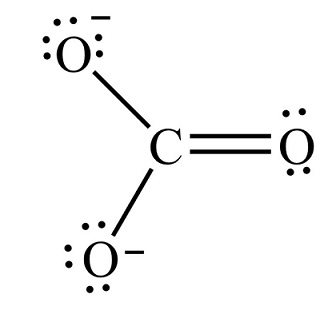
A common mistake is to assume that the oxidation state of Carbon in the carbonate ion, CO₃²⁻, is −2 because the ion has an overall charge of −2. However, the charge of an ion is not the same as that of an individual element. To find the oxidation state of Carbon, start with Oxygen. Oxygen has an oxidation number of −2. Since carbonate contains three Oxygen atoms, Oxygen contributes −6 in total. As the carbonate ion has an overall charge of −2, Carbon must have an oxidation number of +4. Now, can you use the same approach to find the oxidation number of Carbon in carbon dioxide?
Take a moment to work out the oxidation state of Carbon in CO₂ before checking the solution. Have you got the correct answer? Scroll down to see how a Superstar Teacher mentor explains the solution to a student who asked this question through instant homework help.
The explanation can help strengthen understanding and build confidence when tackling Secondary Chemistry questions independently. For students who need help during homework or revision, on-demand homework help provides guidance when it is needed.












 Adeline Lee,


