Food Web Made Easy: Powerful Primary 6 Science Guide to Master Predator and Prey Relationships
Understanding a food web is an important part of Primary Science because it helps students explain how organisms in an ecosystem depend on one another for survival. Many PSLE Science questions test whether students can identify the relationship between a predator and its prey, and predict what happens when there is a change in the ecosystem.
A common challenge students face is memorising the arrows in a food web without understanding the relationships between organisms. To answer such questions confidently, students should always study the connections carefully and ask:
- What organism eats this organism?
- Is this organism a predator or prey?
- If the population of one organism increases or decreases, what will happen to the other organisms?
For example, consider this question on a marine food web:
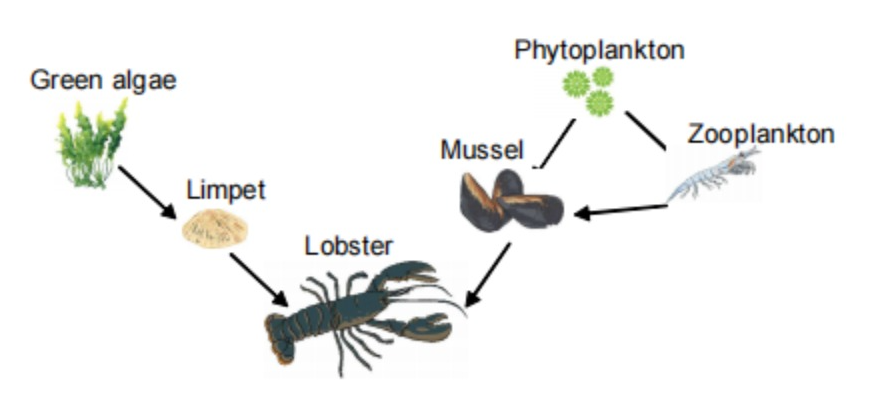
A new predator of the lobster was introduced to this community. Which organism(s) in the food web will increase in number?
(1) Zooplankton
(2) Green algae
(3) Mussle
(4) Limpet
When a new predator of the lobster is introduced, the first step is to determine how the lobster population will change. A decrease in one organism can create a chain reaction that affects other organisms connected through the food chain and food web. By understanding these relationships instead of memorising answers, students can become more confident learners and tackle unfamiliar Primary Science questions during PSLE.
This question was previously submitted by a student who received guidance through Superstar Teacher’s instant homework help. The mentor-student conversation below shows how students can break down complex food web questions step by step and develop stronger answering techniques through on-demand homework help.












 Adeline Lee,


