Atomic Structure forms one of the most important foundations in Secondary Chemistry. When students understand how protons, electrons and electron shells work together, they can tackle many questions about elements, groups and periods with greater confidence. But some questions can look deceptively simple.
Consider this Secondary Chemistry question on Atomic Structure:
An element S has the proton number 18. The next element in the Periodic Table is an element T. Which statement is correct?
- Element T is in the same group as S.
- Element T has one more electron in its outer shell than element S.
- Element T has one more electron shell than element S.
- Element T is in the same period as element S.
This is a tricky Atomic Structure question because students need to connect several fundamental concepts before choosing an answer. Simply knowing the Periodic Table is not enough.
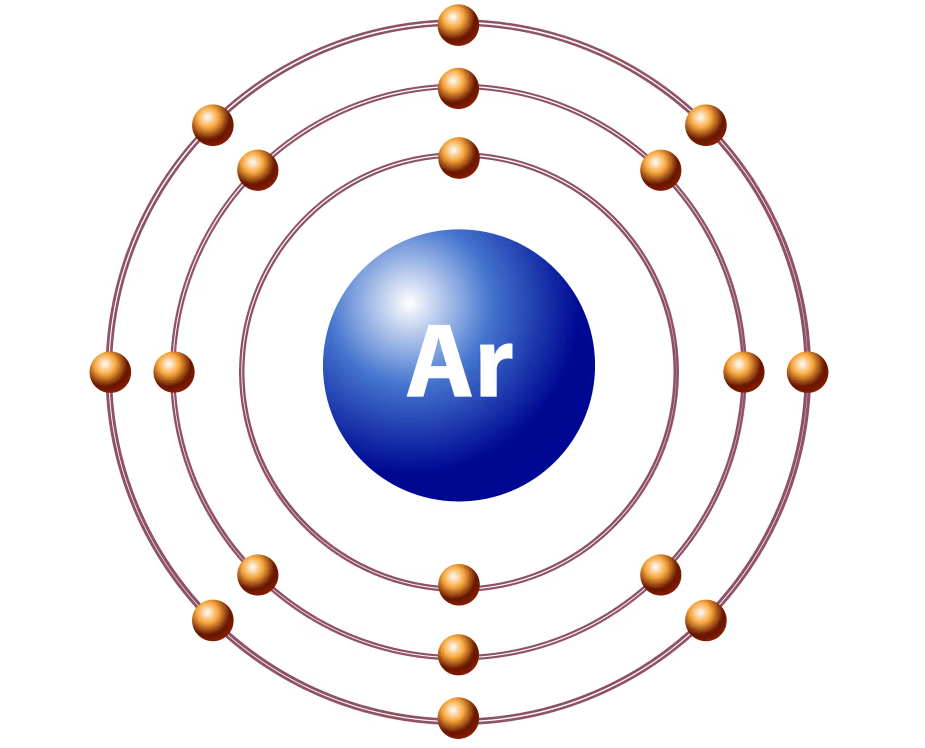
The first step is to understand what the proton number tells you. In a neutral atom, the number of protons equals the number of electrons. Therefore, element S has 18 electrons. From there, students can determine the electronic configuration of S as 2,8,8. Since T is the next element in the Periodic Table, T has one more electron, giving it an electronic configuration of 2,8,8,1. With these configurations, the relationship between the two elements, their electron shells, outer-shell electrons and period becomes much clearer.
Still unsure about why the other options are incorrect? Scroll down to see how a Superstar Teacher mentor breaks down the question step by step through Instant Homework Help. Sometimes, the right explanation is all it takes to turn a difficult Chemistry question into a moment of understanding and help build a more confident learner.